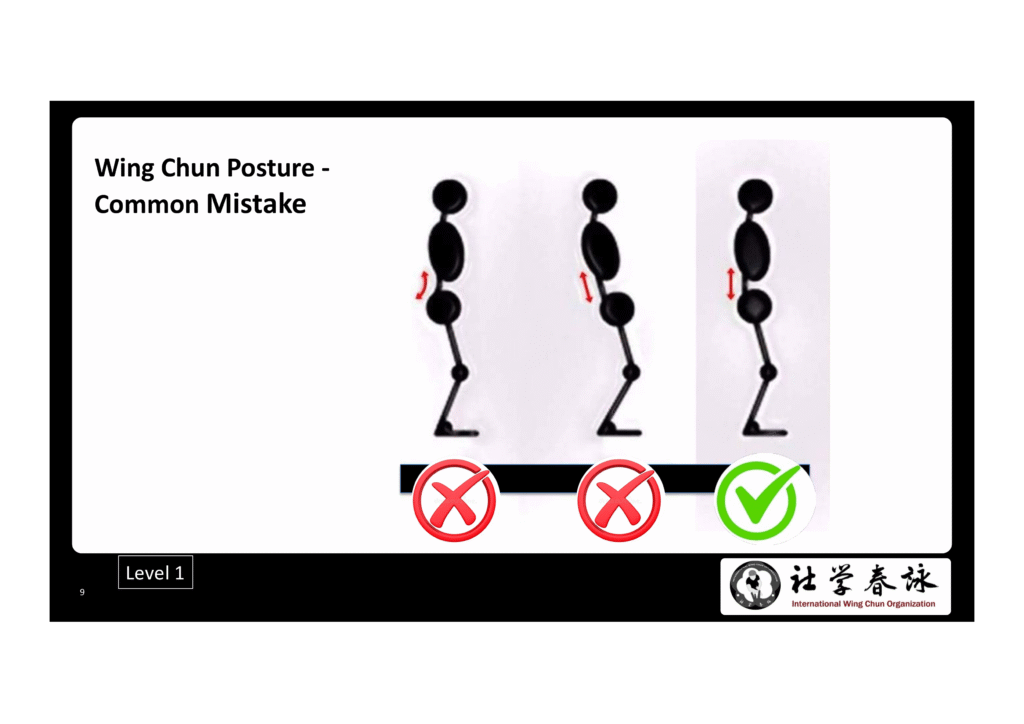
Practicing Wing Chun with incorrect positioning poses significant risks that extend far beyond immediate discomfort. Poor stance, misaligned joints, or improper body mechanics can lead to both acute injuries and chronic problems that may plague practitioners for years. When you throw a punch with poor wrist alignment, you risk sprains or fractures; when you try a throw with incorrect hip positioning, this may strain the lower back or knees. Perhaps more insidiously, repeated practice with flawed technique creates muscle memory that becomes increasingly difficult to correct over time, potentially limiting a practitioner’s progress and effectiveness. Incorrect positioning also compromises the intended benefits of training—a poorly executed stance fails to build proper strength and stability, while misaligned movements can create muscular imbalances that affect posture and movement patterns in daily life. The martial arts principle of “practice makes permanent, not perfect” underscores why meticulous attention to proper form from the beginning is essential, making qualified instruction and regular correction invaluable investments in both safety and long-term development.